
By Andrea Tinker, Alabama Reflector
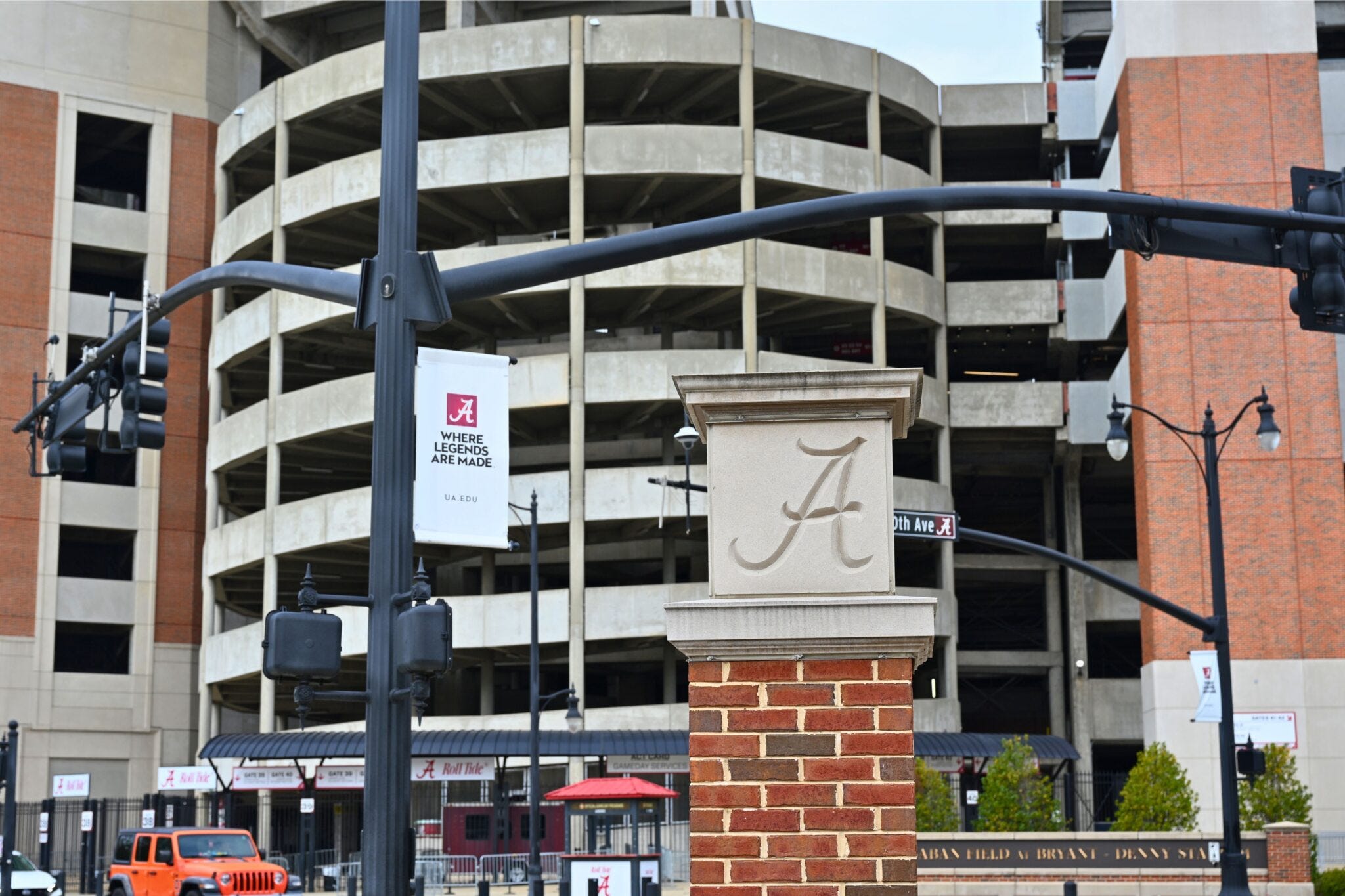
The University of Alabama suspended publication of two student-run magazines on Monday, claiming that the publications were not in compliance with federal guidance on diversity, equity and inclusion (DEI) programs.
UA officials Monday evening told members of Alice, a magazine focused on female undergraduates, and Nineteen Fifty-Six, a magazine focused on Black undergraduates, that they would stop publishing, citing their interpretation of a July memo from Attorney General Pam Bondi, which makes non-binding recommendations on compliance with anti-DEI policies supported by the Trump administration.
“I was under the impression that we were protected from being affected by any anti-DEI legislation and rulings because of our First Amendment right to freedom of press, but it appears I was wrong,” Alice Magazine Editor-in-Chief Gabrielle Gunter said in a statement Tuesday.
Alex House, an associate director of communications at UA, said in a statement Tuesday the suspension of both magazines was to “ensure all members of our community feel welcome to participate in programs that receive university funding from the Office of Student Media.”
Nineteen Fifty-Six Magazine Founder Tionna Taite said in a statement Tuesday that the publications are needed at the university to highlight minority voices.
“Truly both 1956 Magazine and Alice are pivotal to the minority experience at UA. I am beyond disappointed in the regression UA has made since I created 1956 Magazine,” Taite said. “In 2020, UA made promises to be more diverse, inclusive and equitable. Five years later, I do not see any progress and their decision regarding both magazines confirms this.”
Ninteen Fifty-Six Magazine Editor-in-Chief, Kendal Wright said in a statement Tuesday evening on Instagram that the publication’s role is still vital to UA.
“The students who have cultivated this magazine over its five-year lifespan have poured their hearts and souls into their work. Regardless of our suspension, there will continue to be a need on campus for the stories of the university’s Black community to be told,” she said. “The mission of the magazine was to educate students from all backgrounds on culturally important issues and topics in an effort to produce socially conscious, ethical and well-rounded citizens.”
While both publications were geared toward specific demographics, all students could apply to work for the magazines. Bondi’s memo did not include any specific guidance on student-run publications serving particular communities.
“These were spaces for marginalized students to create work that reflected their lived experiences,” Gunter said.
The news was first reported by the Crimson White, the university’s student-run newspaper.

Related: AT&T commits to ending DEI programs
Alice Magazine, started in 2015, was the university’s women’s magazine writing about topics including lifestyle, health and wellness. Nineteen Fifty-Six reported on the university’s Black culture and lifestyle.
The University of Alabama has been dismantling spaces that serve marginalized communities on the campus over the last year and a half. After the Alabama Legislature passed SB 129 in March 2024, banning publicly-funded diversity, equity and inclusion programs and so-called “divisive concepts,” the university closed two dedicated spaces for the Black Student Union office and the Safe Zone, a space for LGBTQ+ students.
In a filing in a federal lawsuit over SB 129 this summer, attorneys for UA claimed that reopening the spaces would constitute “unlawful discrimination,“ citing the Bondi memo. Attorneys for students and educators challenging SB 129 rejected the assertion, noting the Bondi memo was non-binding and that the spaces were open to all students, regardless of race, gender or sexual orientation.
Marie McMullan, the leader of the Foundation for Individual Rights and Expression (FIRE) Student Press Freedom Initiative said the organization is currently investigating the incident, calling it “deeply concerning” and “a blow to the student press in Tuscaloosa.”
“The university’s decisions must respect the First Amendment rights of student publications like Alice and Nineteen Fifty-Six,” McMullan said in a statement Tuesday.
McMullan added in another statement Tuesday afternoon that the memo does not allow the university to shut down student publications.
“No federal anti-discrimination law authorizes the university to silence student media it dislikes. UA’s claim that the magazines’ content is an “unlawful proxy” is nonsense. This is an attack on the student press and nothing less,” she said.
A petition was started on MoveOn to reinstate both magazines saying the suspension is “a direct attack on free speech on a college campus and must be combated by all students.” As of Tuesday evening, it had over 1,700 signatures.
University of Alabama officials said Tuesday the university is aiming to launch a new magazine for the next academic year.
Editor’s Note: Andrea Tinker was a writer and editor for Nineteen Fifty-Six while a student at the University of Alabama.
This is bullshit! These magazines should have not been stopped from existing!
America isn’t great and it’s not moving forward it is still using its colonial chains to continue harm and oppression to black brown and indigenous people.
The way to stop this nonsense in its tracks immediately, all Black And Women Athletes turn in their uniforms now!!