

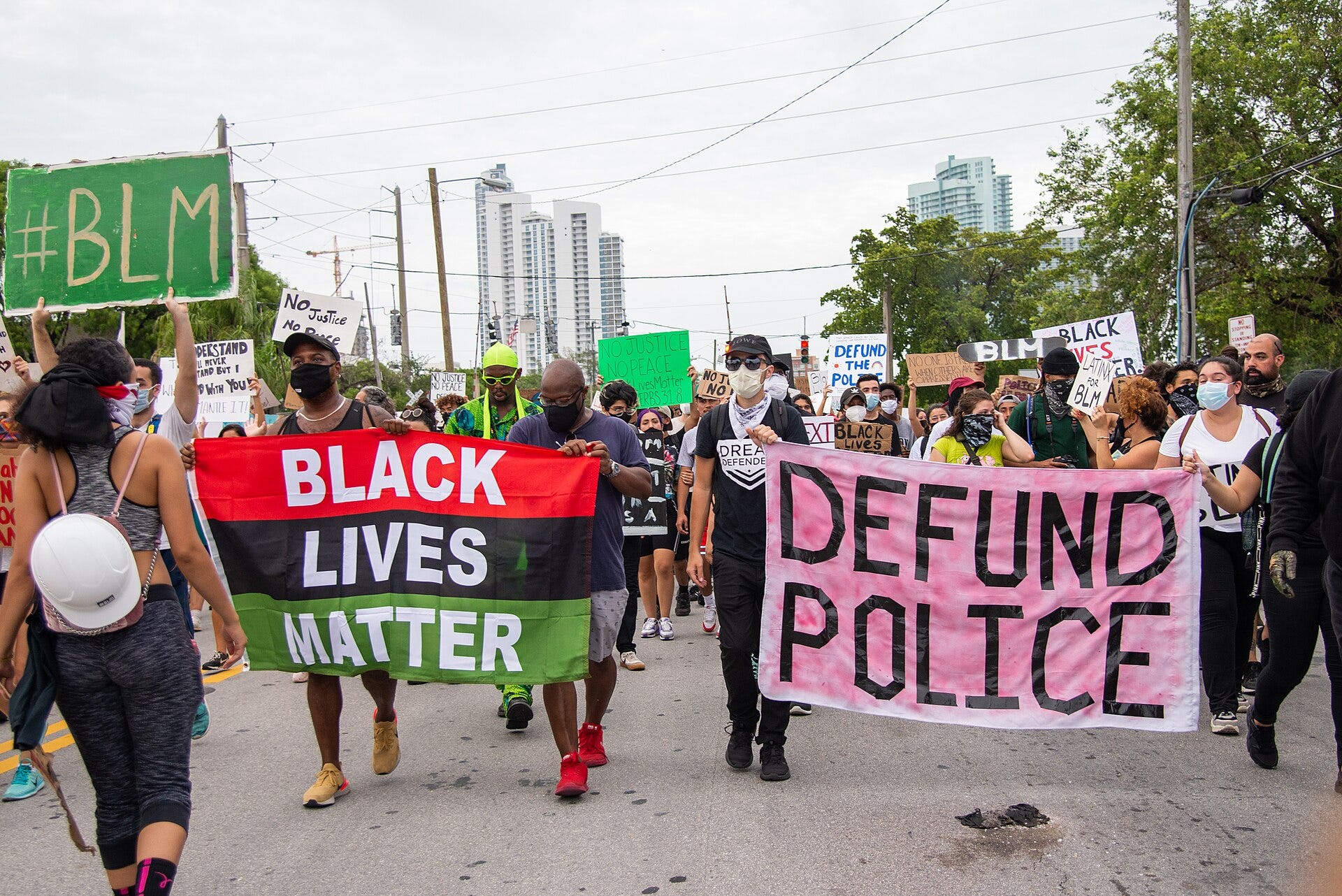
In 2020, following the murder of George Floyd, major corporations and foundations pledged millions of dollars to Black-led nonprofits and organizations in an effort to confront systemic racism and police violence.
A new report, however, shows that those promises remain largely unfulfilled and, for some, never materialized.
According to the nonprofit information service Candid and the philanthropy organization ABFE, only a small group of large Black-led nonprofits — defined in the report as having annual expenses over $1 million — received major funding between 2020 and 2022.
Then funding began to decline by 2023, suggesting to researchers that the support “may have been temporary.”
“During the George Floyd period, the pandemic period, there were definitely some things that came available to our organization because there was just this tremendous response to what was happening in communities and it was more available to Black communities, Black organizations, and Black-led organizations than it has been historically. But I think that that window closed probably in 2023,” one nonprofit leader told researchers.
While the report states that more foundations did respond to the call to give to Black nonprofits, the gifts were uneven — smaller nonprofits saw very little funding, if any, in the wake of the “racial reckoning.” 76% of Black-led nonprofits with budgets under $1 million experienced no significant change in funding from 2016 to 2023, researchers found.
Susan Taylor Batten, president and CEO of ABFE, pointed out that today’s anti-DEI climate has made it extremely challenging for Black-led nonprofits to grow their organizations.
“Black-led nonprofit leaders are being asked to meet rising community needs while navigating an increasingly hostile environment toward race-explicit work, often without the flexible, sustained funding needed to build staff, strengthen infrastructure, or plan for the long term,” she explained.
“This cycle of short-lived transactional investments keeps organizations doing the crucial work in communities in constant survival mode rather than scaling the solutions our communities need.”
Read the full report here.
In other words, they used pledges as free advertizing. Said they would support, in the hopes that people would buy their products, because they pretended to be pro-BLM